consumertop10

Home › Software

Top 10 · Software

Top 10 Data Version Control Tools

The tools teams use to version datasets, tables and data lakes the way they version code, ranked by GitHub stars.

Quick answer

Dolt is the most popular data version control tool, with 24,888 GitHub stars: it is a SQL database you can branch, merge and diff like a Git repository. DVC is second with 15,972 stars and is the standard for versioning machine learning data alongside Git, and Git LFS is third with 14,595 stars for keeping large files in Git. For data lakes, Apache Iceberg, Delta Lake and lakeFS add snapshots, time travel and branches.

How it's ranked: GitHub stars on each project's official repository, read November 13, 2026. Stars measure developer interest, not paying customers or production use, so treat them as a guide to popularity.

1
Dolt by DoltHub
Image: DoltHub (official site)

Dolt

DoltHub · SQL database with Git-style version control

24,888 GitHub stars

Git for data, inside a SQL database.

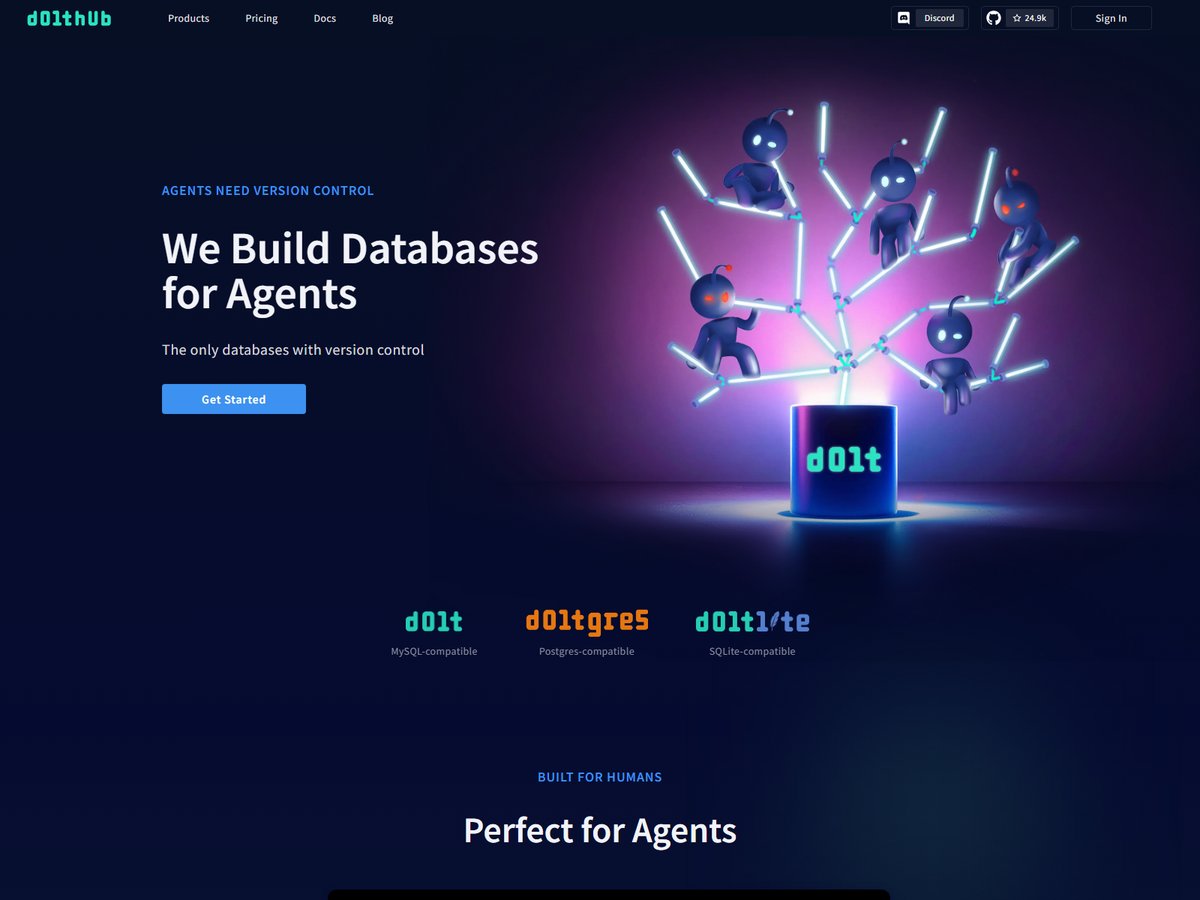
Dolt is the most-starred data version control project on GitHub, with 24,888 stars. Its README sums it up in one line: "Dolt is Git for Data!" It is a SQL database that you can fork, clone, branch, merge, push and pull just like a Git repository, and it speaks MySQL, so existing tools can connect to it. Where Git versions files, Dolt versions tables, which means you can diff two versions of a table row by row and merge changes from different branches. It is open source under the Apache-2.0 license, and its makers also run DoltHub, a hosting site for Dolt databases.

Best forTeams that want to branch, diff and merge tables in a real SQL database
Skip it ifYour data lives as files in object storage, not in tables

Source: github.com/dolthub/dolt
2
DVC by lakeFS (Treeverse)
Image: DVC (official site)

DVC

lakeFS (Treeverse) · Git extension for data versioning and ML experiments

15,972 GitHub stars

The standard for versioning ML data.

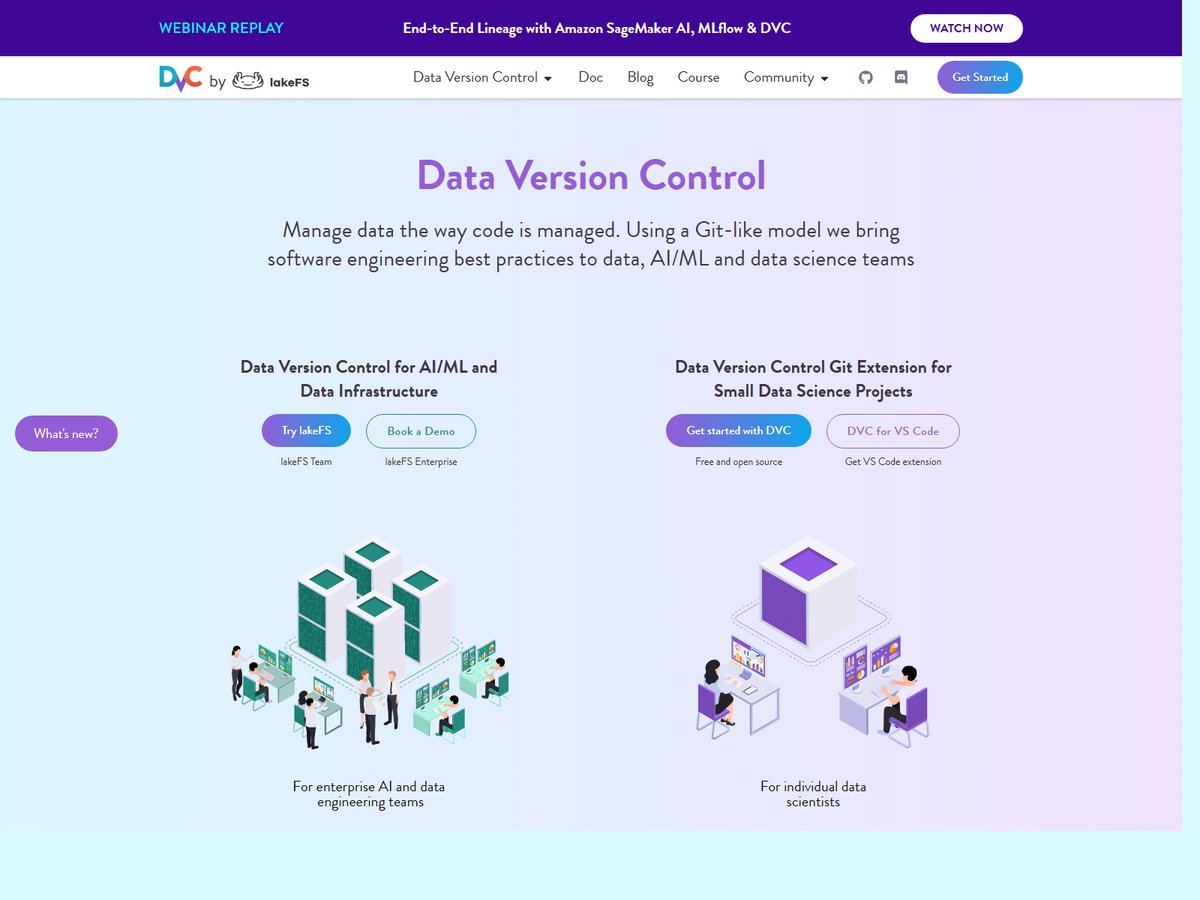
DVC (Data Version Control) is the best-known data versioning tool for machine learning, with 15,972 GitHub stars. Its site promises to "manage data the way code is managed." DVC works alongside Git: small metafiles are committed to your repository while the data itself sits in a cache or remote storage such as S3, so you get versioned datasets and models without stuffing large files into Git. It also tracks ML experiments and pipelines. DVC is open source under Apache-2.0, and it now belongs to lakeFS, which announced that it had acquired DVC to unite two pioneers of data version control.

Best forMachine learning teams that already work in Git
Skip it ifYou need a database or a data lake catalog

Source: github.com/treeverse/dvc

3
Git LFS by Git LFS open-source project
Image: Git LFS (official site)

Git LFS

Git LFS open-source project · Git extension for versioning large files

14,595 GitHub stars

The easiest way to keep big files in Git.

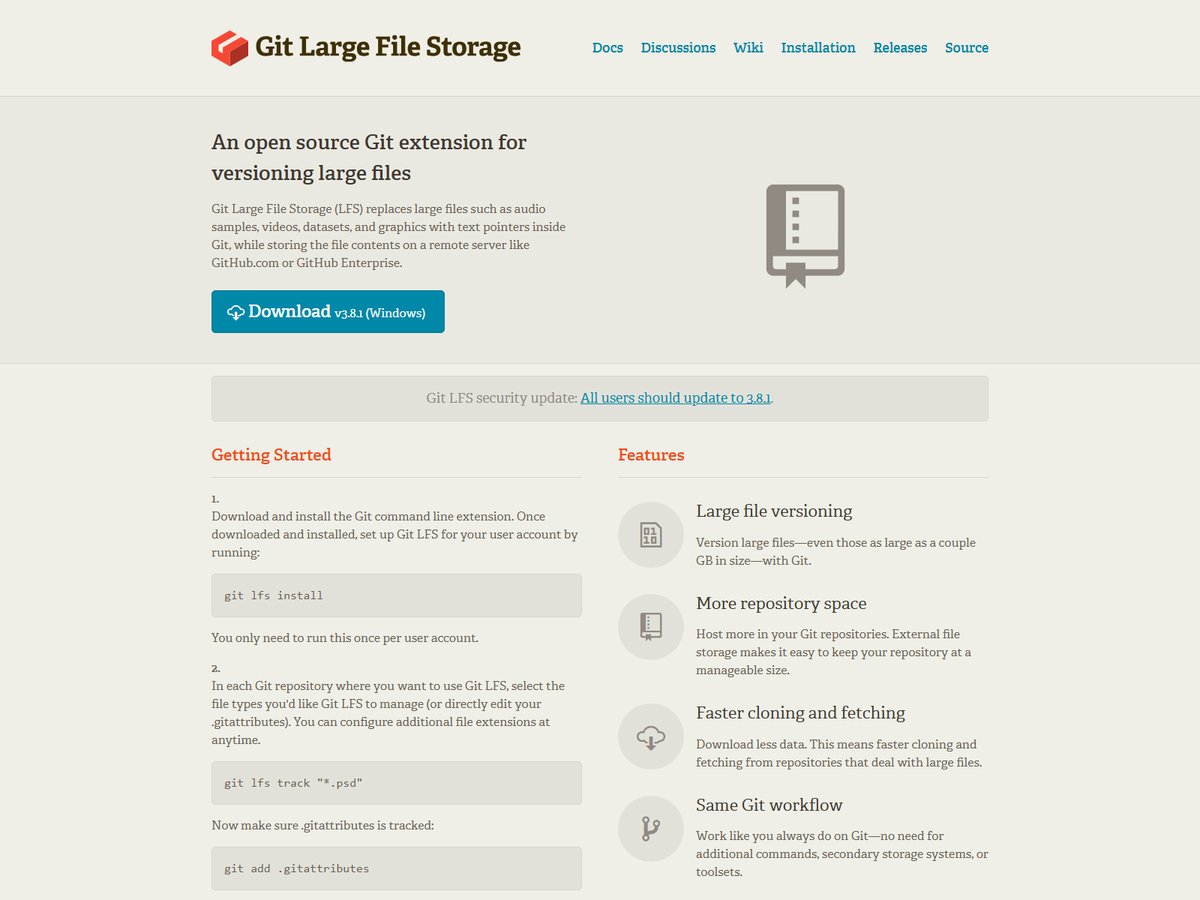
Git LFS (Large File Storage) is the simplest way to version big files, and with 14,595 GitHub stars it is the third most popular project here. It describes itself as "an open source Git extension for versioning large files." Git LFS replaces audio, video, datasets and graphics in your repository with small text pointers inside Git, while the file contents live on a remote server. You keep the same Git workflow, with faster cloning and fetching and more room in your repository. The trade-off is that it versions whole files: it cannot diff the rows inside a dataset or branch a data lake.

Best forDevelopers who need large files in an ordinary Git repo
Skip it ifYou want to query, diff or branch tabular data

Source: github.com/git-lfs/git-lfs

4
Apache Iceberg by Apache Software Foundation
Image: Apache Iceberg (official site)

Apache Iceberg

Apache Software Foundation · Open table format with snapshots, time travel and branching

9,430 GitHub stars

Versioned tables at data-lake scale.

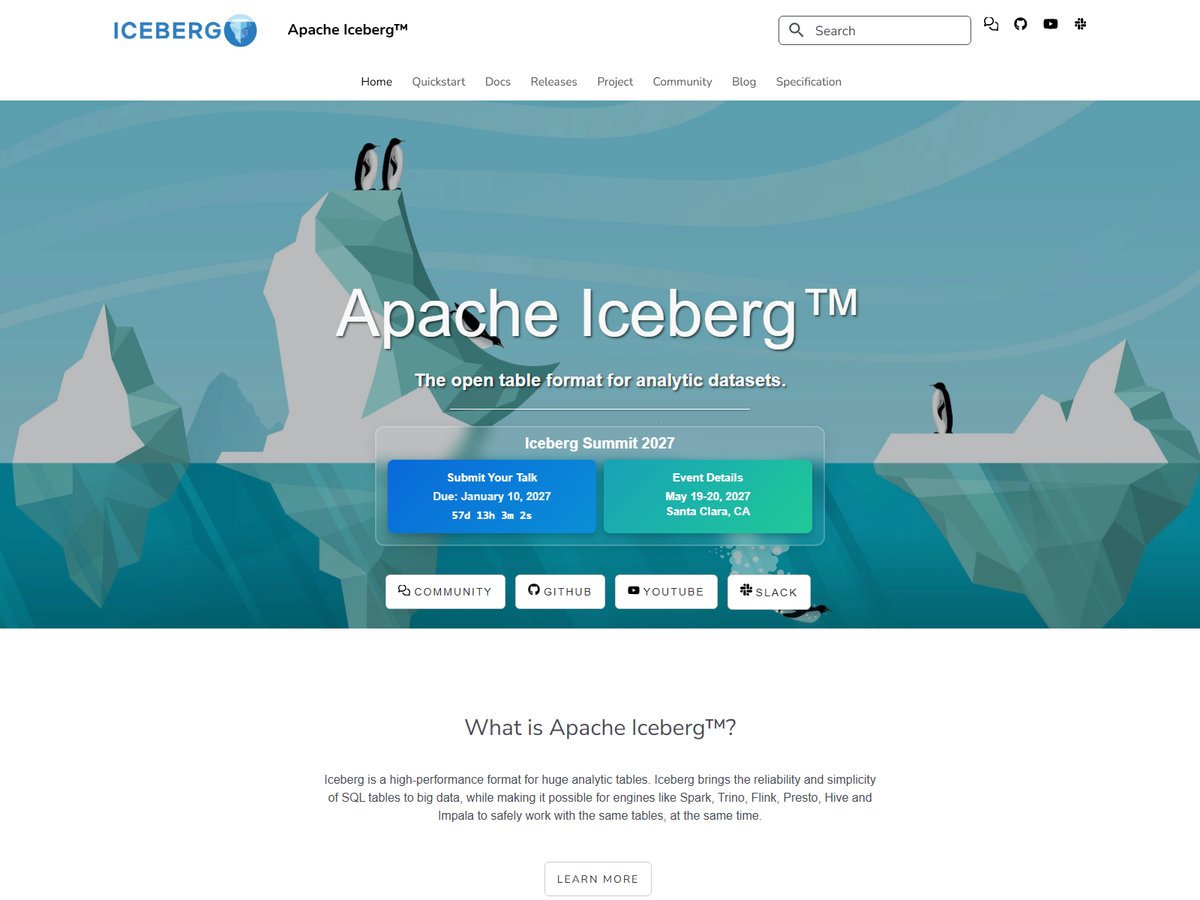
Apache Iceberg is "the open table format for analytic datasets," and it has 9,430 GitHub stars. It is not a version control tool in the Git sense, but versioning is built into how it works: every change to an Iceberg table creates a snapshot, so you can query a table as it looked at an earlier version or timestamp and roll back mistakes. Its features include time travel and rollback, hidden partitioning, and branching and tagging of tables. Iceberg is an Apache Software Foundation project under the Apache License 2.0, and it works with engines including Spark, Trino, Flink, Presto, Hive and Impala.

Best forData platform teams running huge analytic tables
Skip it ifYou are versioning a small project or ML files

Source: github.com/apache/iceberg

5
Delta Lake by Linux Foundation project
Image: Delta Lake (official site)

Delta Lake

Linux Foundation project · Lakehouse storage framework with time travel

9,077 GitHub stars

Time travel for the lakehouse.

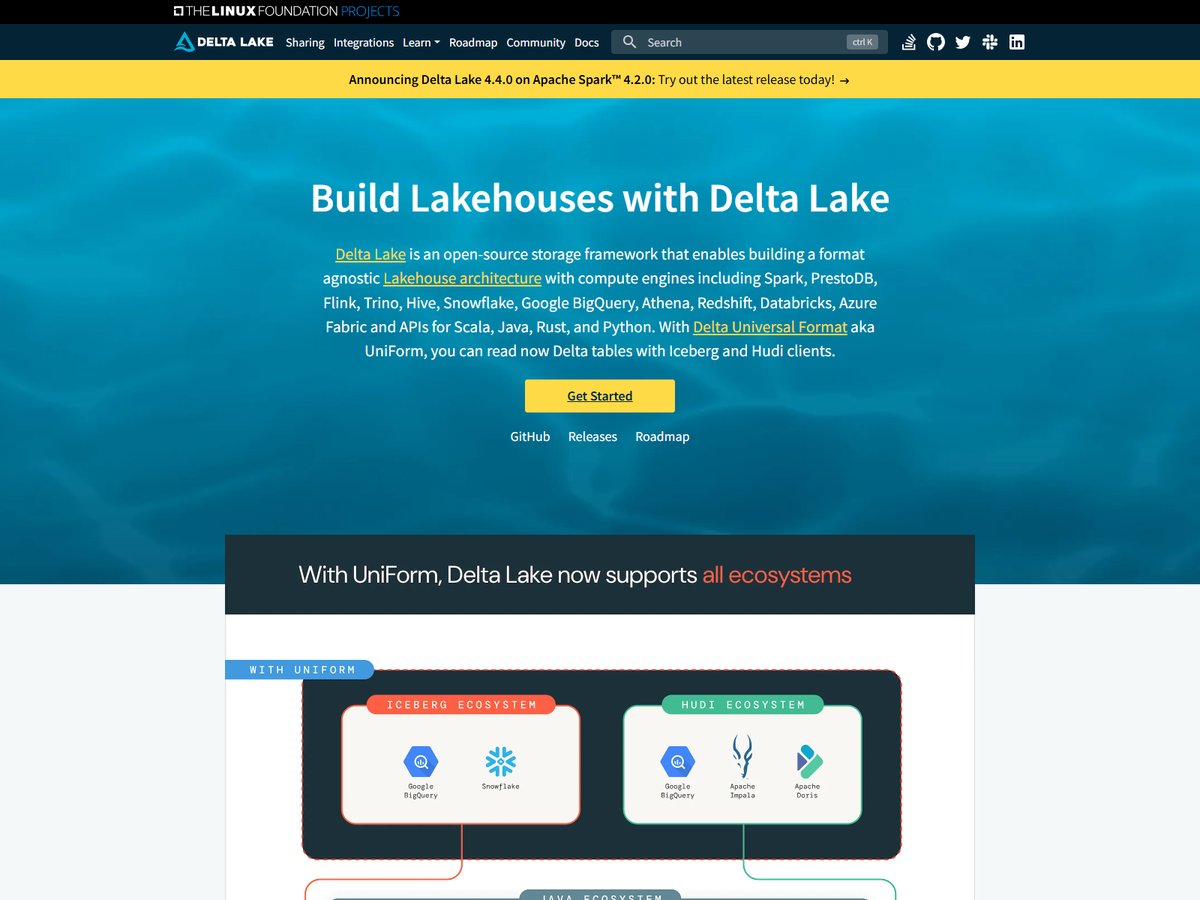
Delta Lake is an open-source storage framework for building a lakehouse, with 9,077 GitHub stars. Its time travel feature lets you access or revert to earlier versions of data for audits, rollbacks or reproducing results. Delta Lake says it is battle tested in over 10,000+ production environments and is supported by more than 190 developers from over 70 organizations. It is an independent open-source project that joined the Linux Foundation in 2019 and is not controlled by any single company. Its Universal Format, UniForm, lets Iceberg and Hudi clients read Delta tables.

Best forLakehouse teams that need audits and rollbacks
Skip it ifYou want Git-style branches on files

Source: github.com/delta-io/delta

6
Pachyderm by Pachyderm
Image: Pachyderm (official GitHub repository)

Pachyderm

Pachyderm · Data-centric pipelines with data versioning and lineage

6,311 GitHub stars

Versioning plus pipelines.

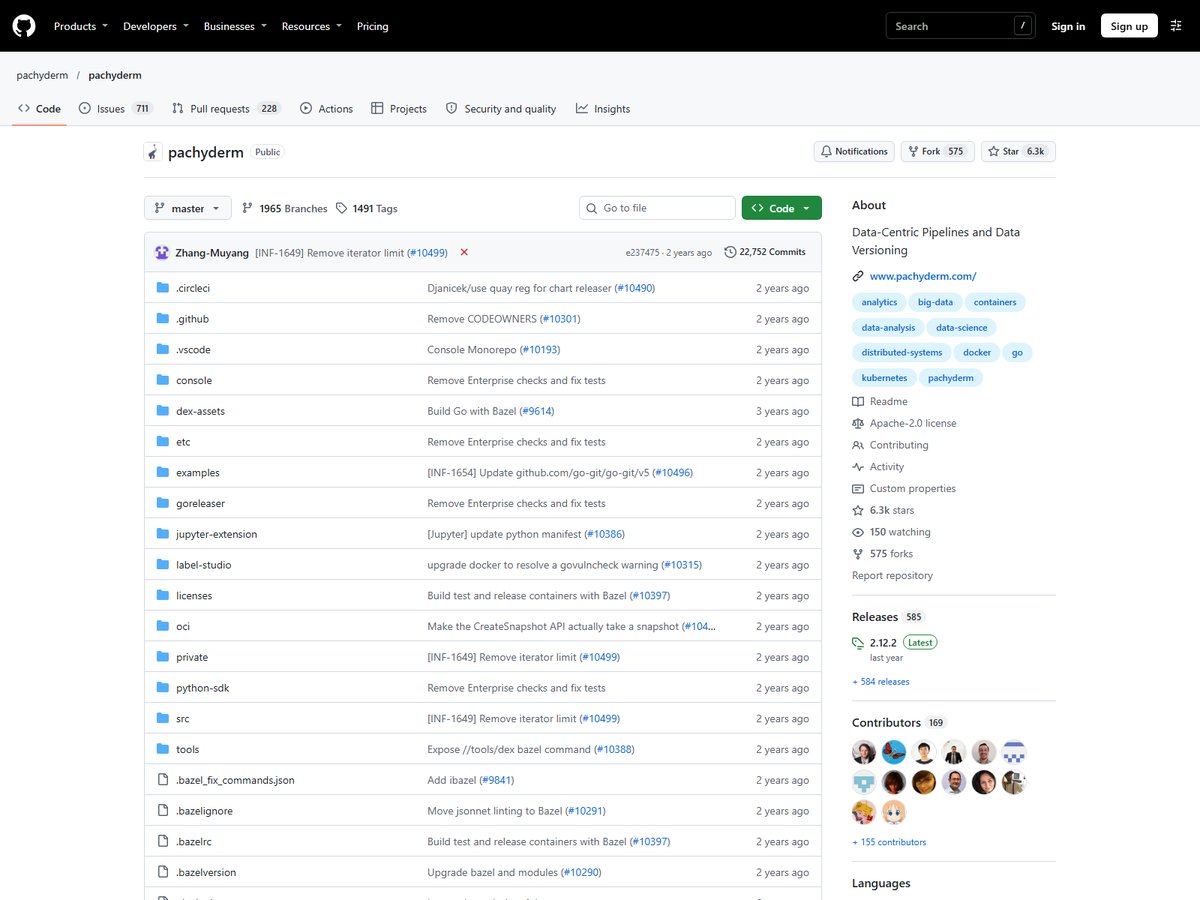
Pachyderm combines data versioning with automated data pipelines, and it has 6,311 GitHub stars. Its README describes it as a way to "automate data transformations with data versioning and lineage." Every dataset gets immutable data lineage, so you can trace any output back to the exact data that produced it, and pipelines trigger automatically when data changes. It works with any data type and standard object stores, with deduplication to save space. Pachyderm is open source under Apache-2.0.

Best forTeams that want versioned data and automated pipelines together
Skip it ifYou just need to version a few datasets

Source: github.com/pachyderm/pachyderm

7
lakeFS by Treeverse
Image: lakeFS (official site)

lakeFS

Treeverse · Git-like version control for object storage

5,587 GitHub stars

Branches for your whole data lake.

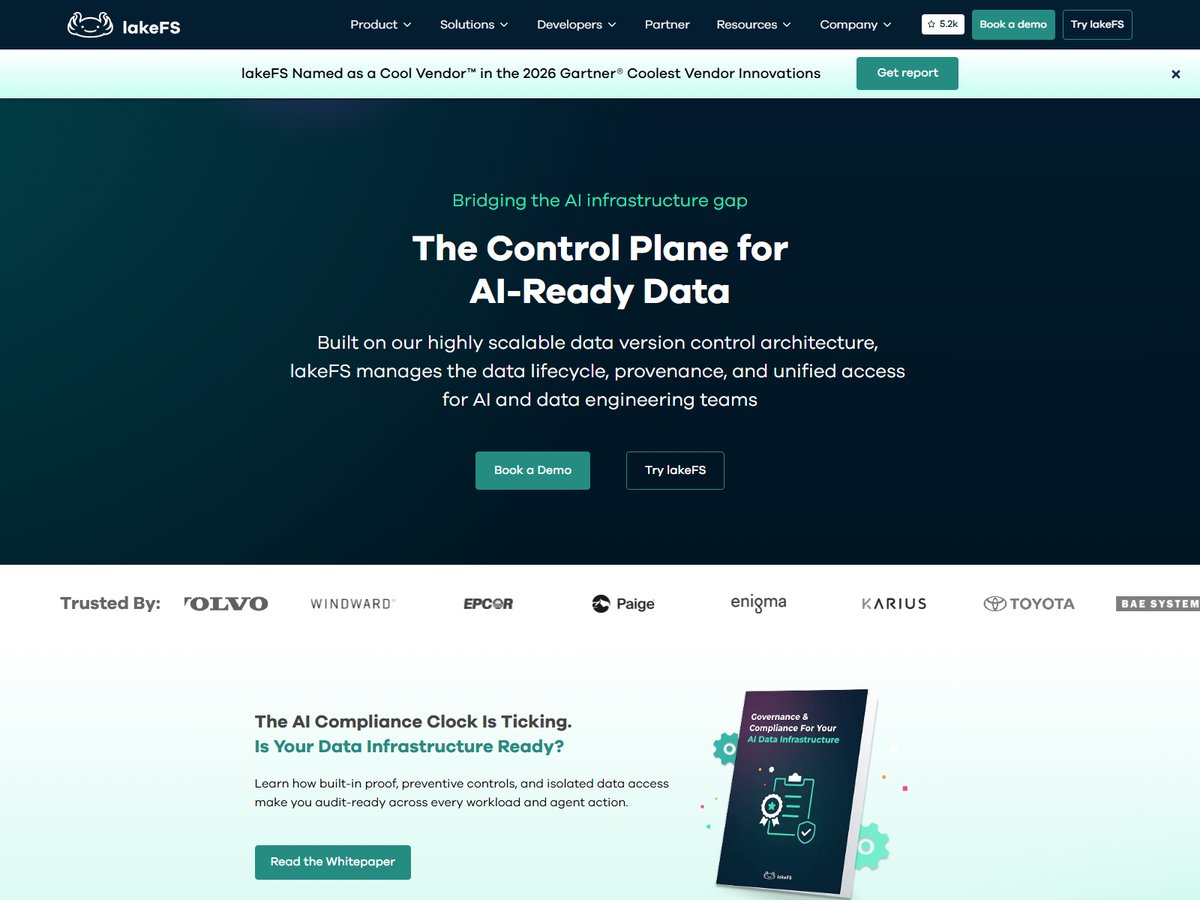
lakeFS turns object storage into a Git-like repository, and it has 5,587 GitHub stars. You can create branches and get a copy of the full production data without copying anything, test changes in isolation and then merge them, a pattern lakeFS calls Write-Audit-Publish. It works on top of S3, Azure Blob and Google Cloud Storage. Its README names users including Netflix, Ford Motor Company, Volvo Cars and BAE Systems. lakeFS is made by Treeverse, which also acquired DVC. Note the license: lakeFS is source-available under the Business Source License 1.1, with each version converting to Apache 2.0 four years after release.

Best forTeams with data lakes on S3, Azure Blob or Google Cloud Storage
Skip it ifYou need an OSI-approved open-source license

Source: github.com/treeverse/lakeFS

8
Project Nessie by Project Nessie
Image: Project Nessie (official site)

Project Nessie

Project Nessie · Transactional catalog with Git-like semantics

1,530 GitHub stars

Git for your Iceberg catalog.

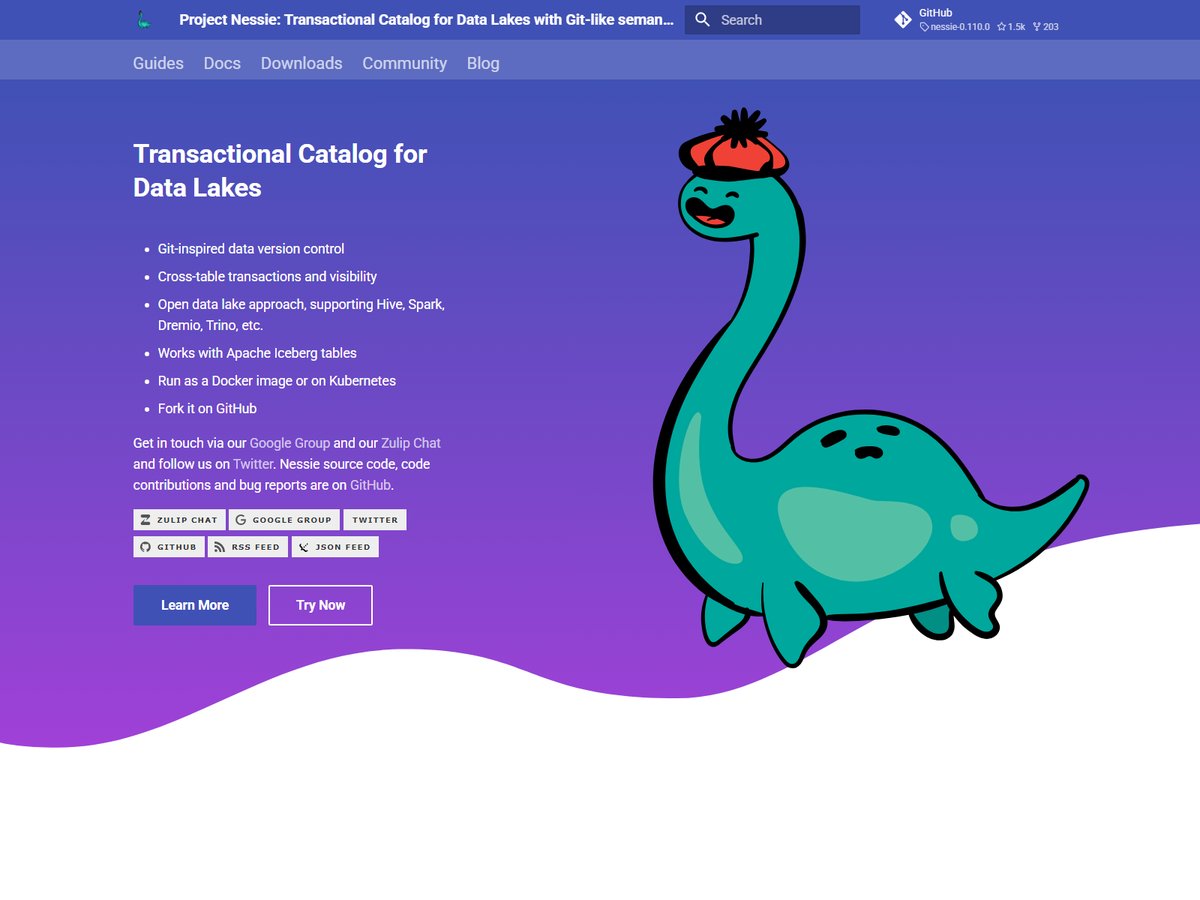
Project Nessie is a transactional catalog for data lakes with Git-like semantics, and it has 1,530 GitHub stars. It brings Git-inspired data version control to the catalog layer: you can create branches and commits that span many tables at once, with cross-table transactions and visibility. It works with Apache Iceberg tables and takes an open data lake approach, supporting Hive, Spark, Dremio and Trino. It can run as a Docker image or on Kubernetes. Nessie is open source under Apache-2.0.

Best forIceberg users who want branches and commits across many tables
Skip it ifYou do not use Apache Iceberg

Source: github.com/projectnessie/nessie

9
Quilt by Quilt Data, Inc.
Image: Quilt (official site)

Quilt

Quilt Data, Inc. · Versioned data packages on AWS

1,374 GitHub stars

Best for biotech data on AWS.

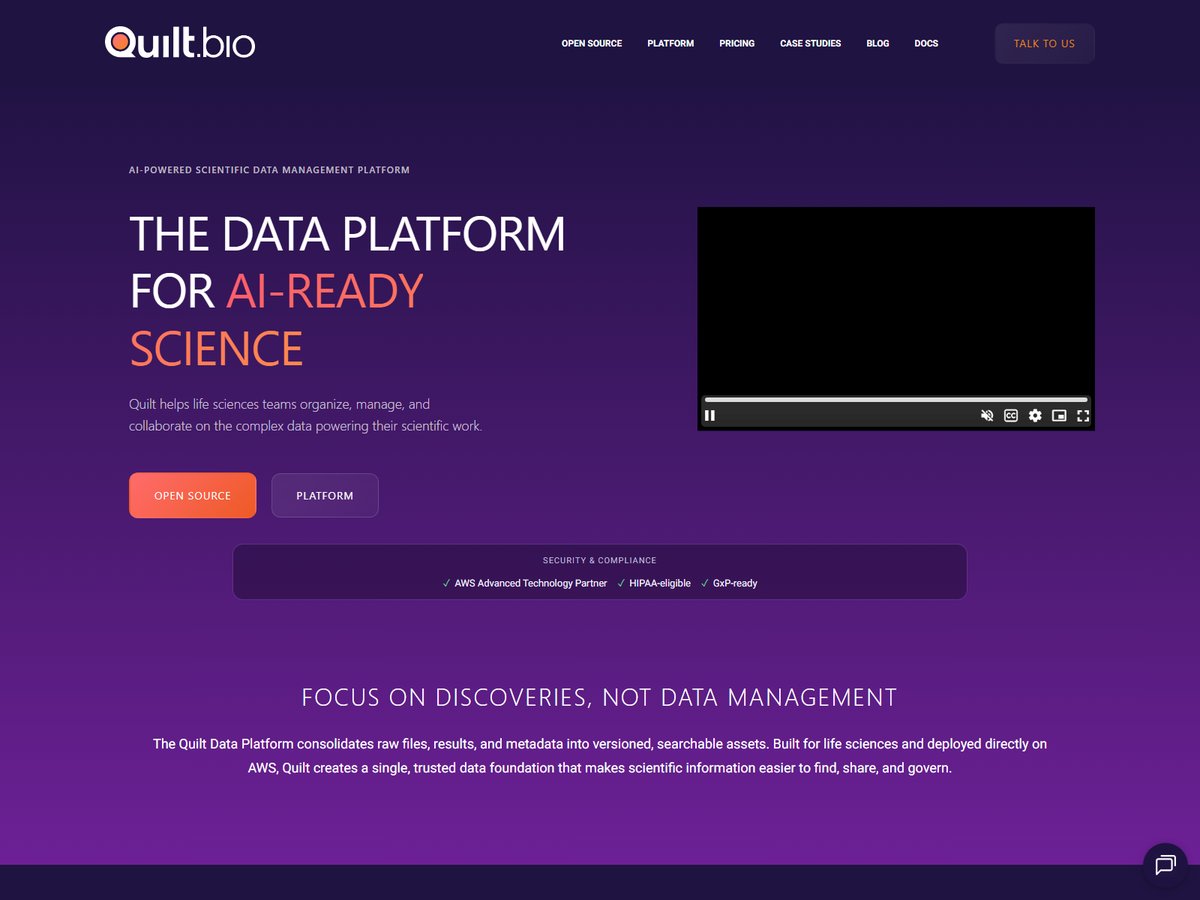
Quilt packages data into versioned, context-rich data packages, and its open-source project has 1,374 GitHub stars. It is built for life sciences: Quilt says it helps life sciences teams organize, manage and collaborate on the complex data powering their scientific work, and it counts 30+ biotech and pharma teams as users, including the Allen Institute. Each package bundles data and metadata with an immutable version history, while the files stay in place in your own S3 buckets. Quilt is an AWS Advanced Technology Partner, and the open-source code is Apache-2.0.

Best forLife sciences teams storing data in Amazon S3
Skip it ifYour data is not on AWS

Source: github.com/quiltdata/quilt

10
Oxen by Oxen Labs
Image: Oxen.ai (official site)

Oxen

Oxen Labs · Fast data version control for large repositories

1,209 GitHub stars

The speed pick for big ML datasets.

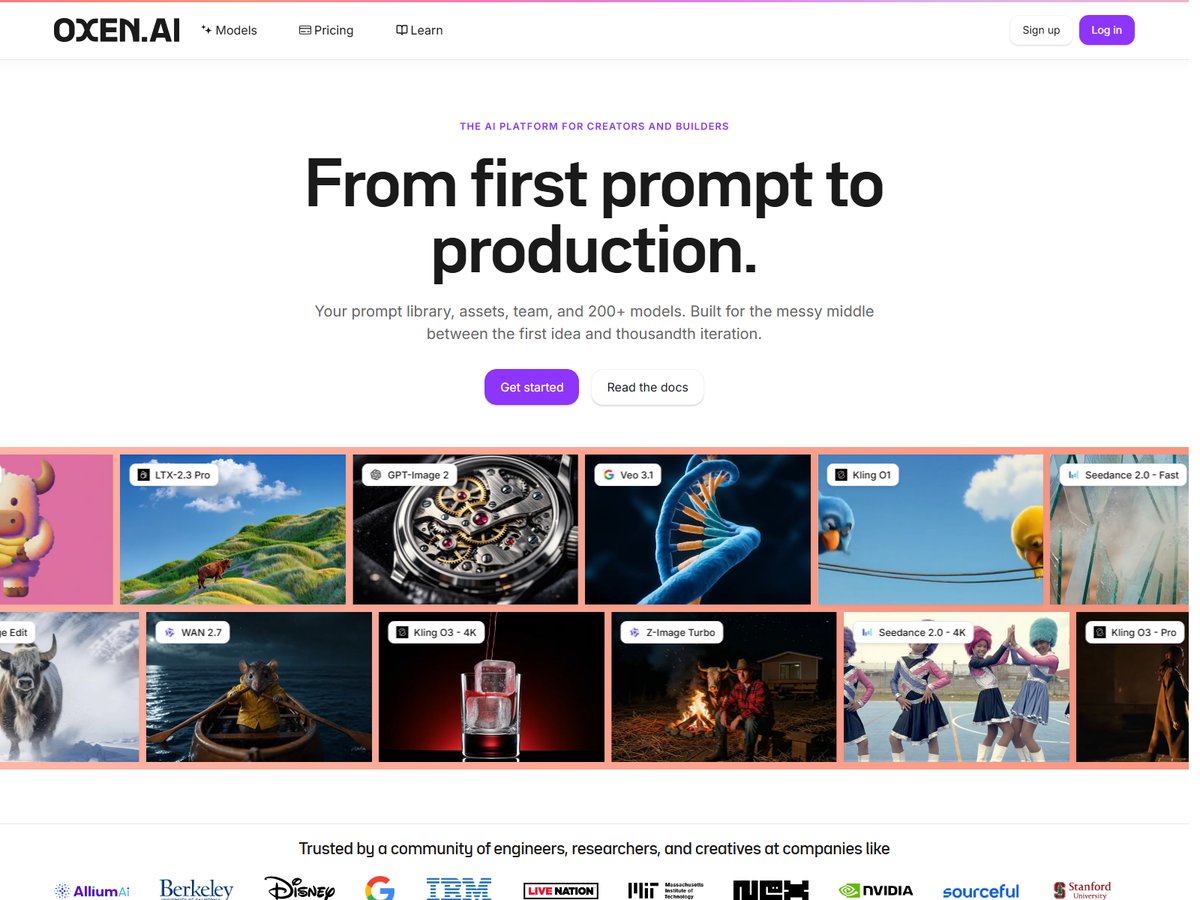
Oxen is a newer data version control system built for speed, with 1,209 GitHub stars. Its tagline: "Lightning fast data version control system for large repositories of data. Feels like git, pushes and pulls like oxen." The command line mirrors Git, but Oxen is built for millions of files and large datasets where Git and Git LFS fall short, and Oxen says its command line tool is 20x faster than git-lfs. It handles tabular data natively. Oxen was built by a team of machine learning engineers at Oxen Labs and is open source under Apache-2.0.

Best forML teams versioning huge image, video or text datasets
Skip it ifYou want the most mature, widely adopted tool

Source: github.com/Oxen-AI/Oxen

Questions people ask

What is the best data version control tool?

Dolt is the most-starred, with 24,888 GitHub stars, and versions SQL tables like Git. DVC, with 15,972 stars, is the standard for versioning machine learning data alongside Git.

What is the difference between DVC and Git LFS?

Git LFS replaces large files in Git with pointers and stores them on a server. DVC also keeps data out of Git, but adds ML experiment tracking and pipelines and works with remote storage like S3 without a dedicated server.

How do I version data in a data lake?

lakeFS adds Git-like branches and commits on top of S3, Azure Blob and Google Cloud Storage. Apache Iceberg and Delta Lake version tables with snapshots and time travel, and Project Nessie adds branches across Iceberg tables.

Which data version control tools are open source?

Dolt, DVC, Git LFS, Apache Iceberg, Delta Lake, Pachyderm, Project Nessie, Quilt and Oxen are open source. lakeFS is source-available under the Business Source License 1.1.

How were these tools ranked?

By GitHub stars on each project's official repository, read November 13, 2026.

How we ranked

GitHub stars on each project's official repository, read November 13, 2026. Stars measure developer interest, not paying customers or production use, so treat them as a guide to popularity. Every number on this page comes from the source linked under each pick, and every photo shows the actual product. Brands can't pay to be on this list.

List source: github.com/dolthub/dolt · Updated 2026-11-13